















What is Overconsumption?
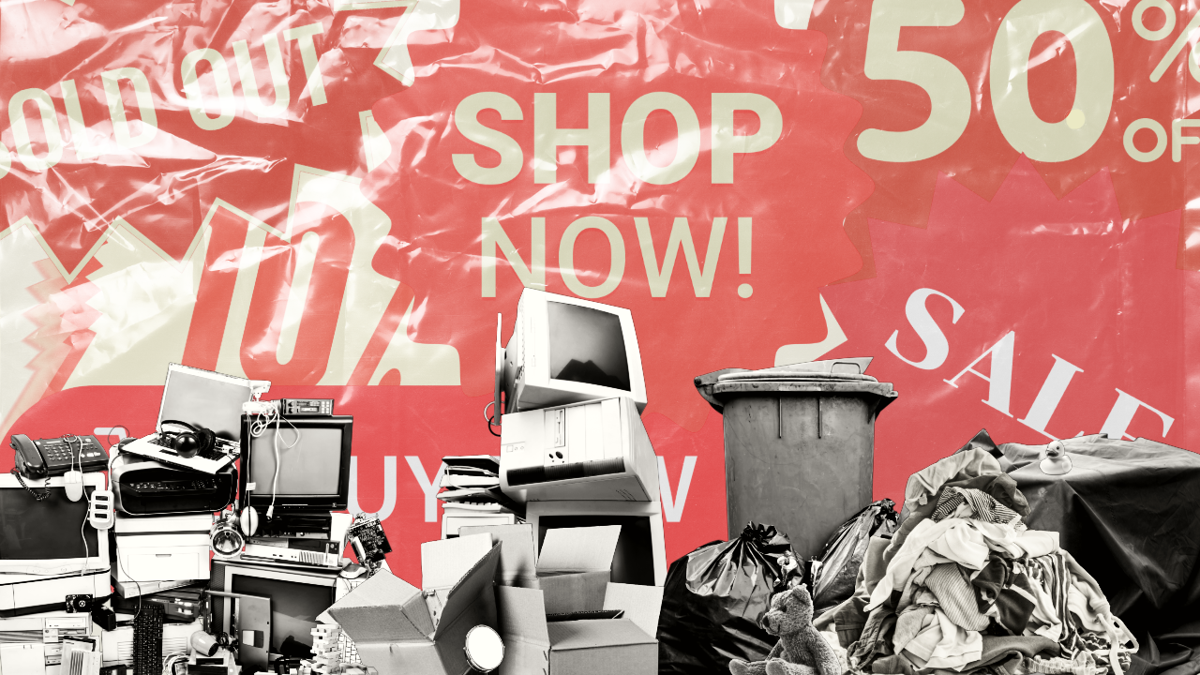
Overconsumption is prevalent in our everyday lives; we see it through social media, meal portions, and fashion. Overconsumption is the act of consuming something excessively – affecting our bodies, our minds, and our planet. People are often pressured into hyperconsuming ideologies and manipulated into believing their standard, normal behaviors.
Components of Overconsumption:
Fashion:
Did you know that 92 million tons of clothing ends up in landfills every year (Vox)? Fashion has become a huge factor of overconsumption that is powered by social validation and social media which causes people to often buy more clothing than needed. Think about it, did you actually purchase those UGGs because you like them or because that’s what’s currently trending? Or did you buy the NIKE socks because of the logo or for practical use. Instead of purchasing the popular name brand clothing, buy items that allow you to express yourself, not what’s trending on social media.
Fast Fashion, which is inexpensive clothing being excessively produced in response to current trends, is the second-biggest consumer of water. Companies like Shein, H&M, and Zara are some of the most common stores that encourage customers to buy their cheap clothing, throw it away, then buy new items a month later. This causes huge textile waste, the release of greenhouse gases and overloaded landfills with last year’s styles.
Additionally, social media often powers and normalizes the overconsumption of fashion items. You’ve probably seen videos online of people exhibiting cabinets full of expensive, branded clothing. The promotion of workout sets online manipulates people into thinking that they need these sets to properly be active. Working out is a great activity, but you don’t need twenty matching Lululemon sets to do so. Instead, wear what’s comfortable and reliable for you!
Unnecessary Hygiene Routines:
Have you seen an influencer online with a 15 step shower or skincare routine and feel like you need to buy these products in order to look good? Many influencers promote these different products that sway you into buying them, which often provides them money. Make sure to do what’s right for your skin, hair, and body type. Everyone’s different and what works for a random person on the internet may do more harm than good to your body.
Books:
Purchasing books has become another component of overconsumption. Have you seen influencers online recommending and promoting the same books with different decorative variations? This subconsciously manipulates you into buying more of these books that will just end up collecting dust on your TBR shelf. We are starting to see, especially on social media like Booktok, that books are turning into collecting culture and not reading culture. Instead, try buying new books. Finish the ones you already own, and don’t buy one just because of the cover or aesthetic. Additionally, try buying half-priced, thrifted, or digital books. You can also borrow a book from a friend or check one out at your local library.
Why We Overconsume:
People overconsume everyday without even realizing it. Social Media plays a huge role in the world’s overconsumption dilemma. Many influencers promote these trending items and collect them in mass amounts leading their viewers to believe it’s normal, even expected, behavior and do the same in order to feel socially accepted. Social Validation and Competitive Consumption is another component. People often buy these items to show their social status rather than the items practical uses. Advertising also plays a detrimental role in overconsumption. Everyday items are advertised to show the benefits of the item while ignoring the countless drawbacks.
How To Avoid Overconsuming
Shop Second-Hand or Thrift:
Shopping second-hand is a great way to fight the battle against overconsumption by preserving natural resources and preventing excess energy usage and pollution. They also don’t come with the excessive packaging used by many shipping companies like Amazon, SHEIN, and Temu. Shopping second-hand or thrifting is also typically much cheaper than purchasing new items too, allowing you to buy higher end items for less.a
Donating or Reselling:
Donating your old clothing can prevent that item from ending in a landfill and can be beneficial to the people receiving them. It additionally helps support local communities and donation centers.
Avoid Impulse Purchases:
Shopping with well-thought out lists and agendas is a great way to prevent buying items impulsively. Additionally, checking your emotional state before buying an item; often tiredness, angriness, and hungriness can have major influences on your purchases. Avoiding shopping cart usage is also a great way to prevent you from buying a lot of items.
Stop Shopping From Fast-Fashion Companies:
Preventing fast fashion and throwaway culture can be fixed when you support your local business and thrift stores instead. But don’t just go and get rid of all of your clothing items from fast fashion companies – wear them, donate them, reuse them and then in the future be more conscious of what companies you’re buying from.
Reusable Items:
Abolish your usage of single use items by purchasing reusable grocery bags that can last years or using a reusable water bottle instead of one-use plastic ones. These simple swap outs can save people money in the long run and have positive environmental impacts. But, be careful – don’t buy another reusable bag if you already have some at home! Pick a few reusable bags and donate other bags to local food banks, thrift stores, schools, and even neighbors.
Ultimately, overconsuming is something everyone is guilty of. We have all watched influencers try to manipulate us into buying unnecessary items. Going forward, try reflecting on your own past purchases and improve your shopping habits in the future.